
Chef Career Myths Explained: What It’s Really Like to Study at a Chef School in South Africa
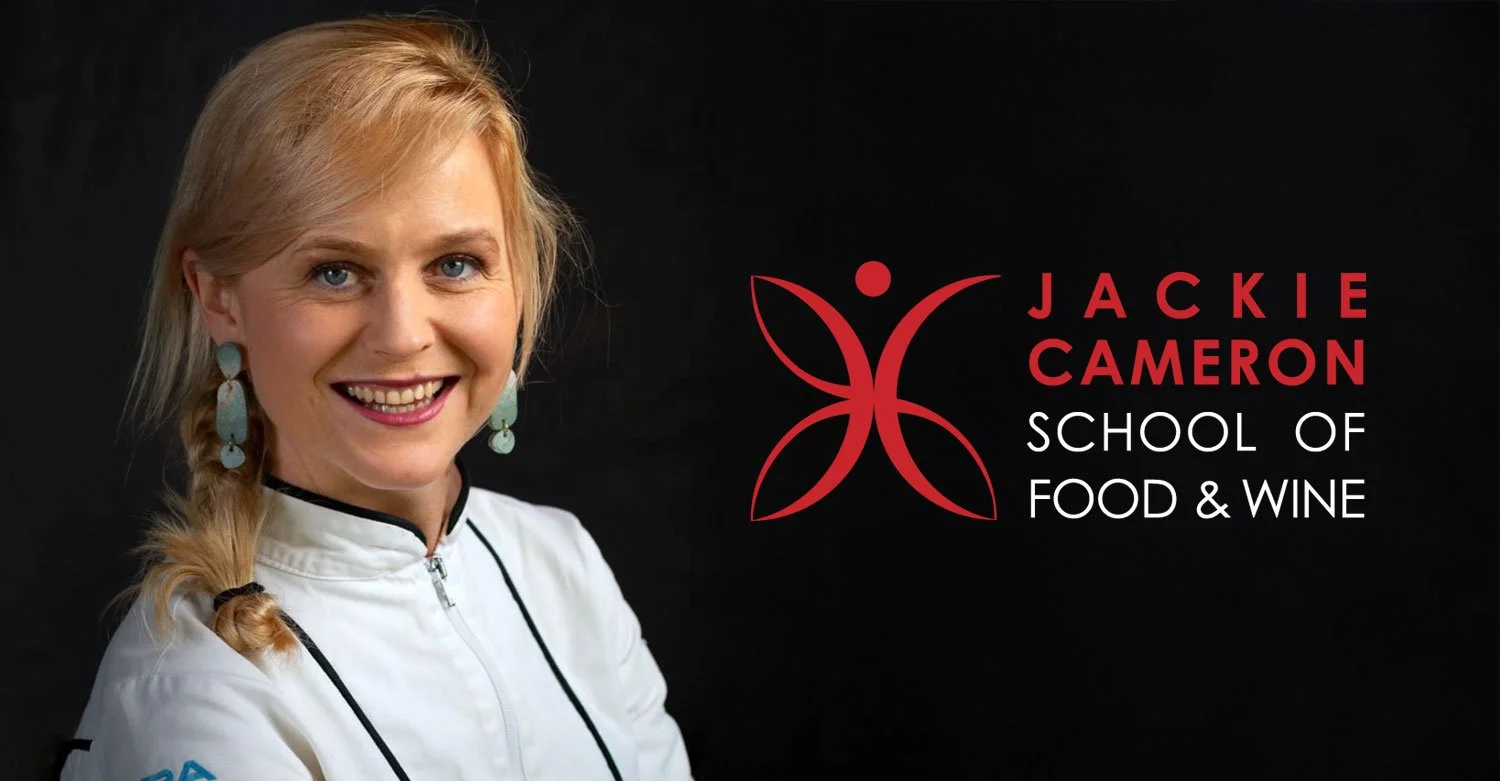
Chef Jackie Cameron / Michael Stewart Photography
“All professions come with their fair share of misconceptions, and the culinary industry is no exception. At Jackie Cameron School of Food & Wine, we encourage aspiring chefs and their families to keep an open mind.
Our best advice? Don’t believe everything you’ve heard. Instead, visit a chef school in person, step into a professional training kitchen, meet the chefs, and experience the reality of this dynamic career path firsthand. Seeing truly is believing.”
Common Myths About Becoming a Chef (And the Truth Behind Them)
Myth 1: Chefs Are Always Angry and Verbally Abusive
Huh?
Professional kitchens can be high-pressure environments, especially during service, but most modern chefs lead with teamwork, respect, and clear communication. Today’s culinary culture increasingly prioritises wellbeing, emotional intelligence, and positive leadership.
Chefs are passionate, not permanently grumpy. They prefer plating food beautifully over shouting. Think creative leader, not kitchen dragon.
Myth 2: Chefs Are Drug and Alcohol Abusers
Really?
While stress and long hours can affect people in any profession, this stereotype does not represent the culinary industry. There is a growing focus on wellness, balance, and mental health support for hospitality professionals.
Many chefs choose gym sessions, early bedtimes, and herbal tea over wild nights out. Kitchens can be stressful, but so can any office environment.
Myth 3: Chefs Are Uneducated
What?
Culinary arts require extensive knowledge, including food science, nutrition, management, finance, and global food cultures. Many chefs complete formal chef courses, culinary diplomas, or structured apprenticeships.
Skill and passion, not lack of education, drive this career choice.
Myth 4: Chefs Do Nothing but Cook
Crazy!
Cooking is only one part of a chef’s role. Professional chefs also manage teams, design menus, control costs, ensure food safety, work with suppliers, handle administration, and protect the reputation of the establishment.
Chefs don’t just cook, they run complex operations.
Basically… culinary superheroes.
Myth 5: Chefs Reuse Guests’ Leftovers
No!
Food safety laws and professional ethics strictly prohibit reusing any food once it leaves the kitchen. Once a plate goes out to a guest, it is never reused.
Food hygiene rules are non-negotiable and form a core part of professional chef training.
Myth 6: Chefs Are Simply Home Cooks With a Diploma
Strange idea!.
Professional kitchens demand speed, timing, consistency, stamina, and nerves of steel. Imagine preparing 100 meals at once, all to the same standard, and all Instagram-worthy.
The word Chef comes from Chef de Cuisine, meaning chief or director of the kitchen.
Myth 7: Pastry Chefs Just Bake Cakes
Not so!
Pastry chefs are the architects of the sweet world. Their skills include artisan breads, chocolate and confectionery, sugar work, plated desserts, and advanced pastry techniques.
They balance chemistry and creativity, while ensuring everything tastes like happiness. Cakes are just one delicious chapter in a very long menu.
“Final Thought: See the Reality of a Chef Career for Yourself”
Quick Facts About Studying to Become a Chef
A chef career combines creativity, discipline, leadership, and business skills
Professional chef training goes far beyond home cooking
Modern kitchens prioritise respect, teamwork, and professionalism
Culinary qualifications open doors locally and internationally
Hospitality careers are diverse, from restaurants and hotels to food development, media, and entrepreneurship
Frequently Asked Questions About Chef Schools and Culinary Careers
Q. Is becoming a chef a good career in South Africa?
A. Yes. The hospitality and culinary industries offer diverse career opportunities locally and internationally, particularly for well-trained chefs with formal qualifications.
Q. Do I need formal training to become a chef?
A. Professional training provides a strong foundation in technical skills, food safety, management, and industry standards, all essential for long-term success.
Q. Is being a chef only about cooking?
A. No. Chefs manage people, systems, costs, and standards. Cooking is just one part of the role.
Q. Are chef careers suitable for creative students?
A. Absolutely. Culinary careers blend creativity with structure, making them ideal for hands-on, passionate learners.
Ready to Turn Your Passion Into a Profession?
Email jackie@jackiecameron.co.za today to learn more about our chef courses and enrolment process.
Seeing truly is believing.
“Believe nothing you hear, and only one half that you see.”
Jackie Cameron School of Food & Wine in South Africa is dedicated to training the next generation of chefs who are a cut above the rest.

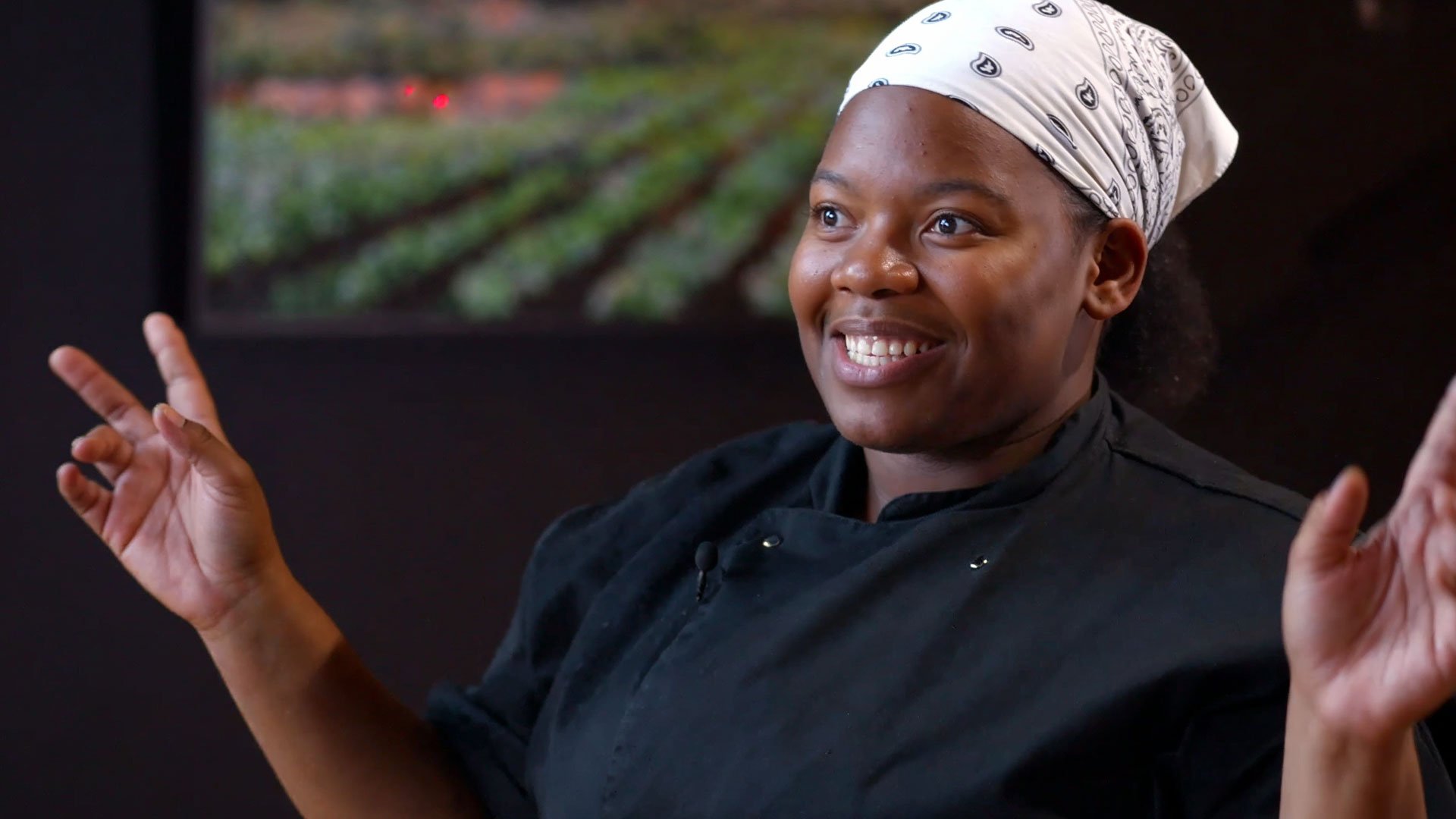


Chef Jackie Cameron reflects on an unforgettable evening at the 2026 Eat Out Woolworths Restaurant Awards, where she proudly presented the Trailblazer Award to Margot Janse and celebrated the chefs, restaurants, and rising talent shaping the future of South African dining. The official winners included Margot Janse as Trailblazer Award recipient, Johannes Richter as Chef of the Year, and FYN as Restaurant of the Year. The tone of the excerpt also reflects the video transcript’s emphasis on an “electric” atmosphere, celebration, and Woolworths’ four-year partnership with Eat Out.